
Journal · November 2026
Downtown Design Dubai 2026
The Shape of What’s Next
Introduction
Held annually as part of Dubai Design Week, Downtown Design brings together international design brands and emerging regional talent.
At Downtown Design Dubai 2026, the most compelling story was not a single colour, material or silhouette. It was the dialogue between restraint and expression.
Across the fair, sculptural seating and warm neutral palettes created a quieter vision of luxury. Stone, timber and tactile upholstery brought depth to understated interiors, while graphic patterns, saturated colours and experimental textiles offered a playful counterpoint.
Glass and lighting became increasingly sculptural, regional designers explored new ways of interpreting heritage, and craftsmanship gave everyday objects a stronger sense of identity. Together, these approaches showed how materials, forms and light can shape the atmosphere of an interior.
Here are eight design directions that stood out to Vincetti Casa, followed by a special highlight from the fair.
01
The Quiet PaletteUnderstated Luxury
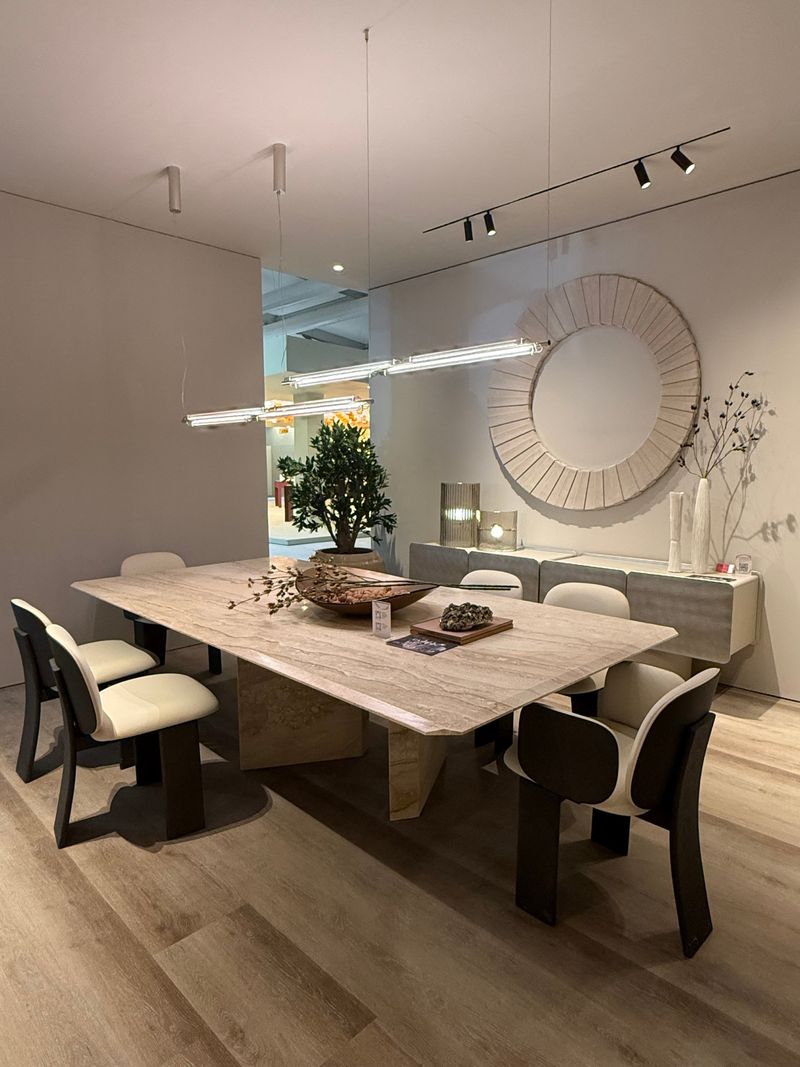
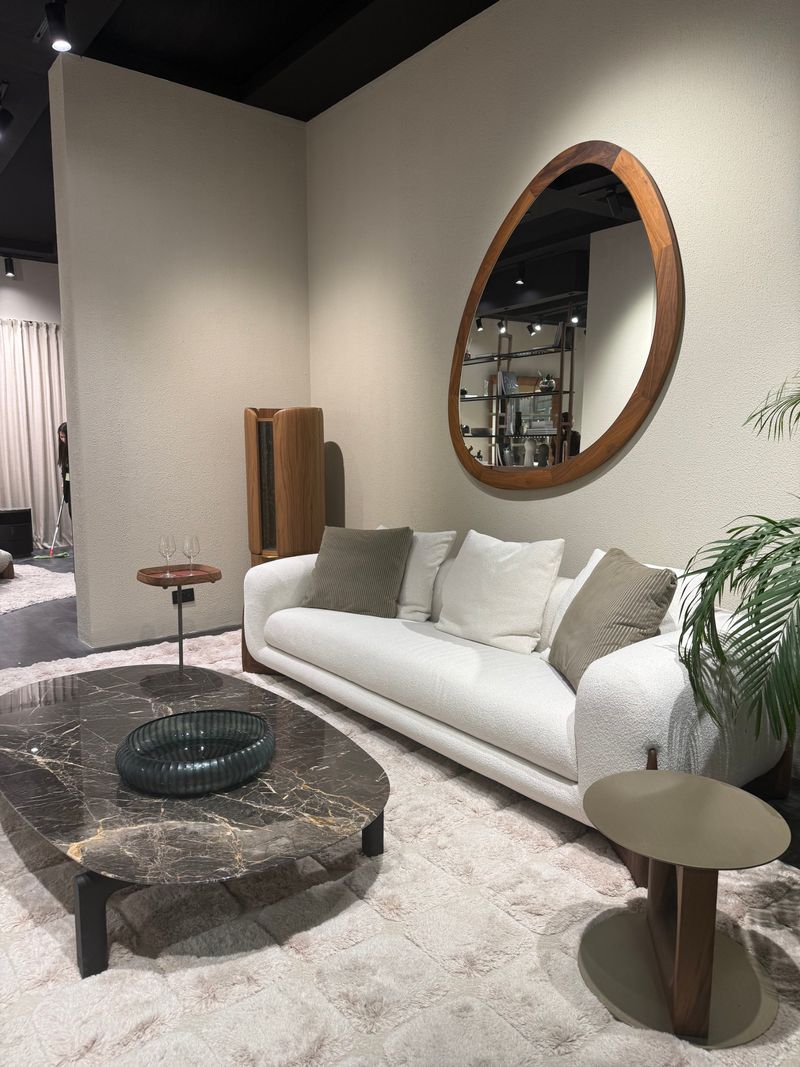
Warm neutrals set the tone for many of the interiors. Ivory, sand, taupe and soft beige were layered in subtle variations rather than used as flat, monochromatic schemes, creating a sense of warmth and quiet sophistication.
Cream upholstery and tactile fabrics sat alongside natural stone, warm timber and darker accents, bringing definition to otherwise restrained settings.
The result was an understated approach to luxury, where composition, proportions and material quality carried more visual weight than decorative detail.
02
The New SoftnessSculptural Comfort
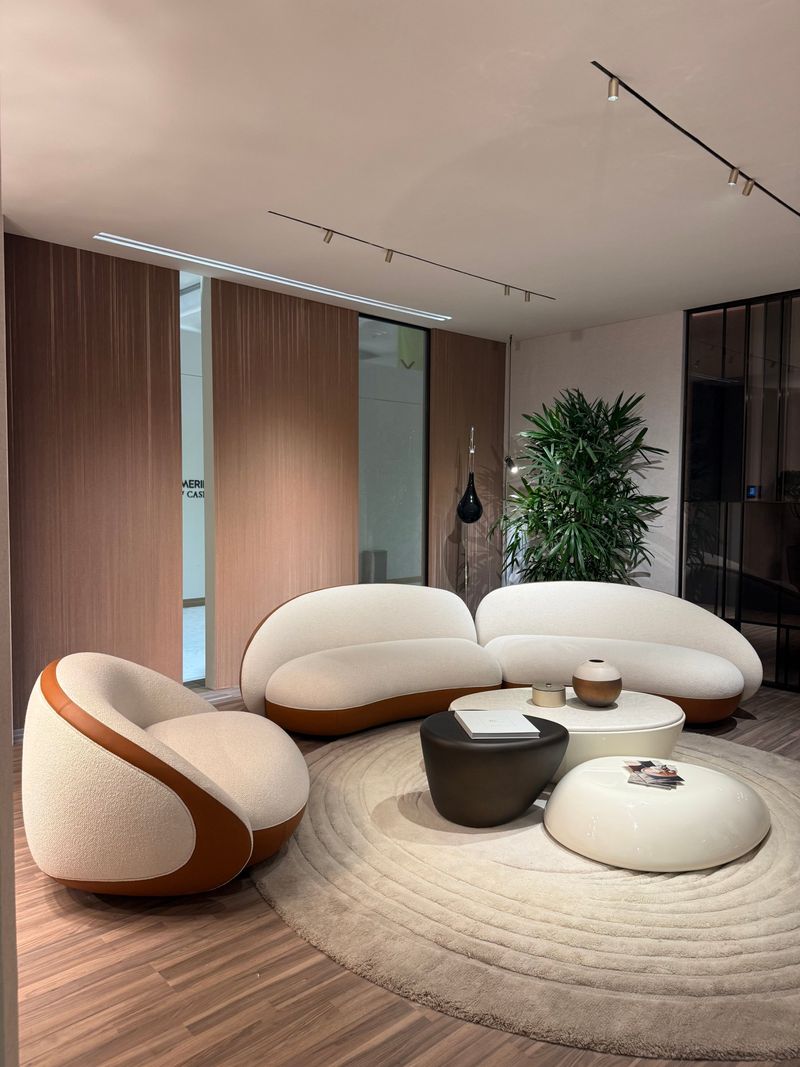
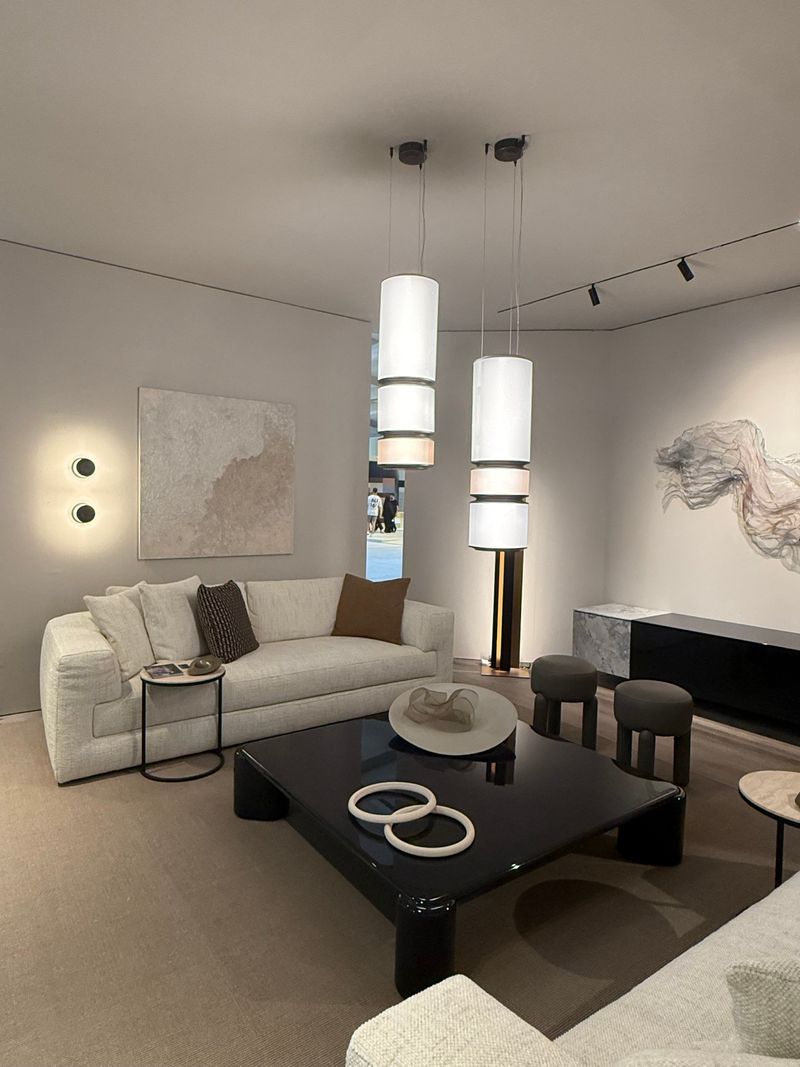
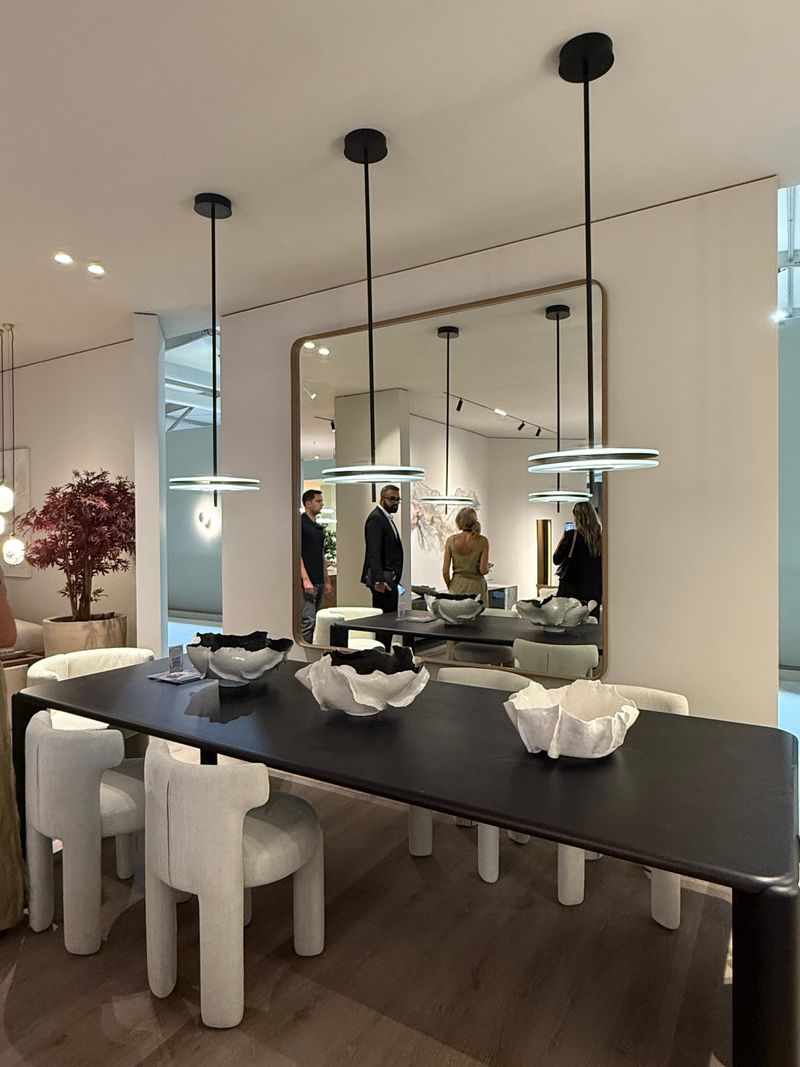
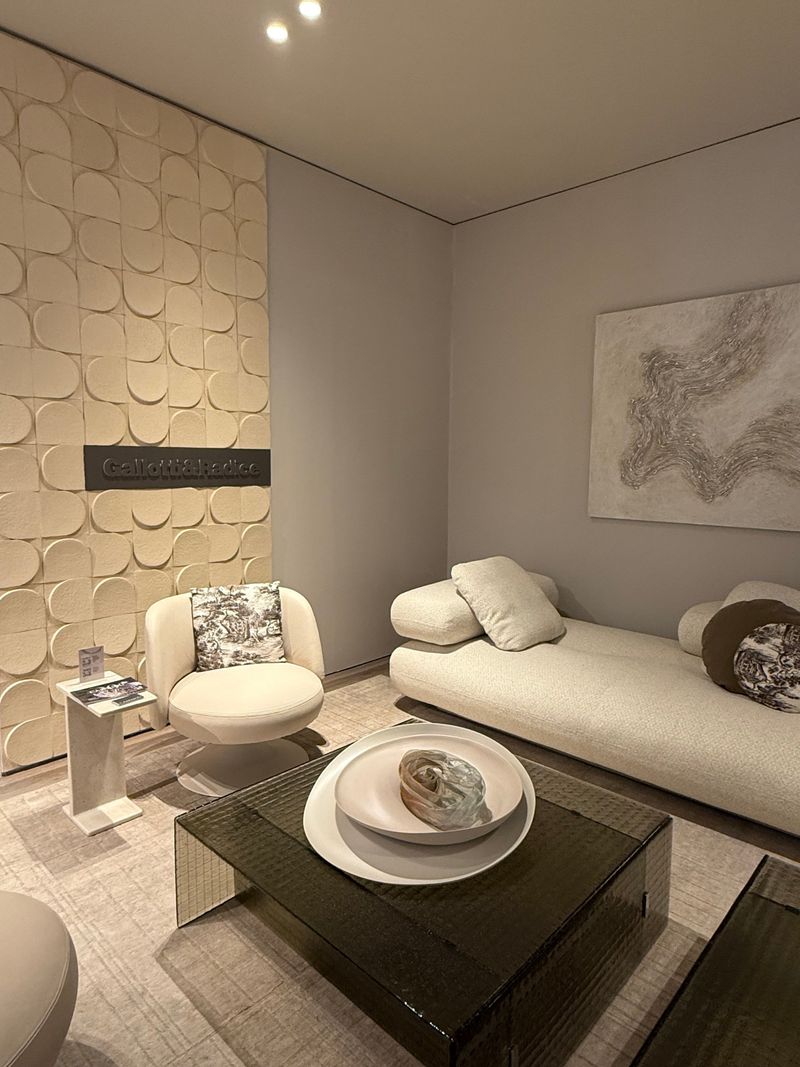
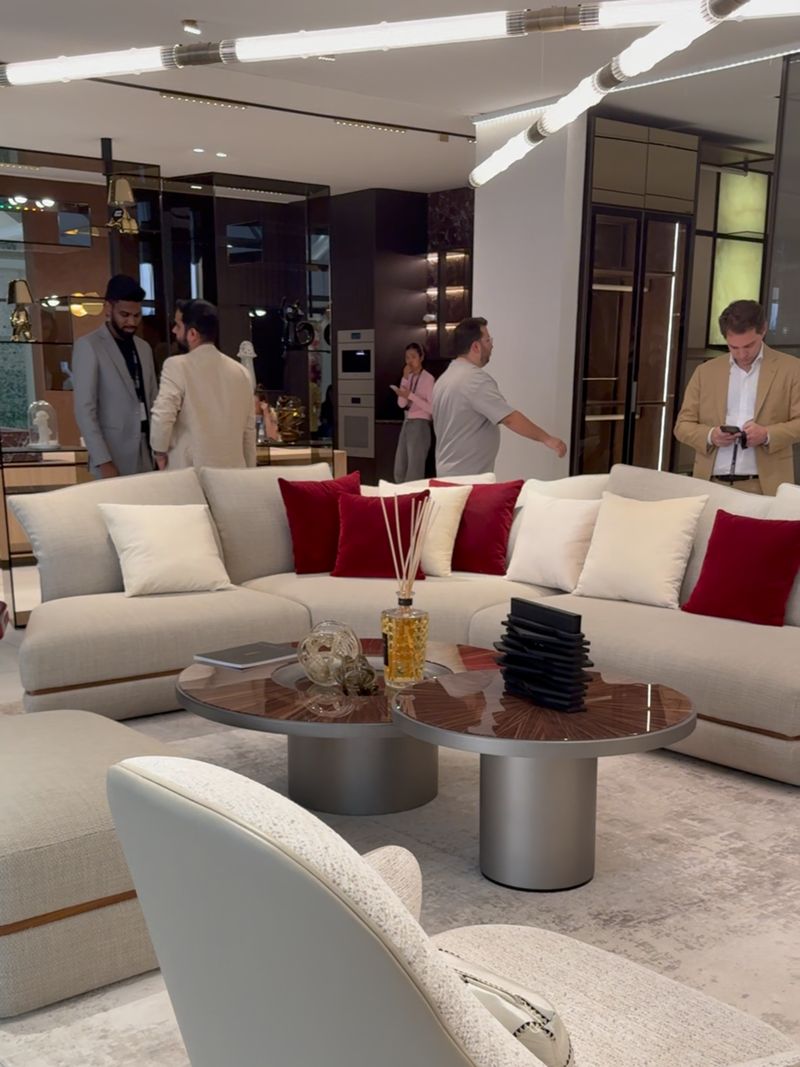
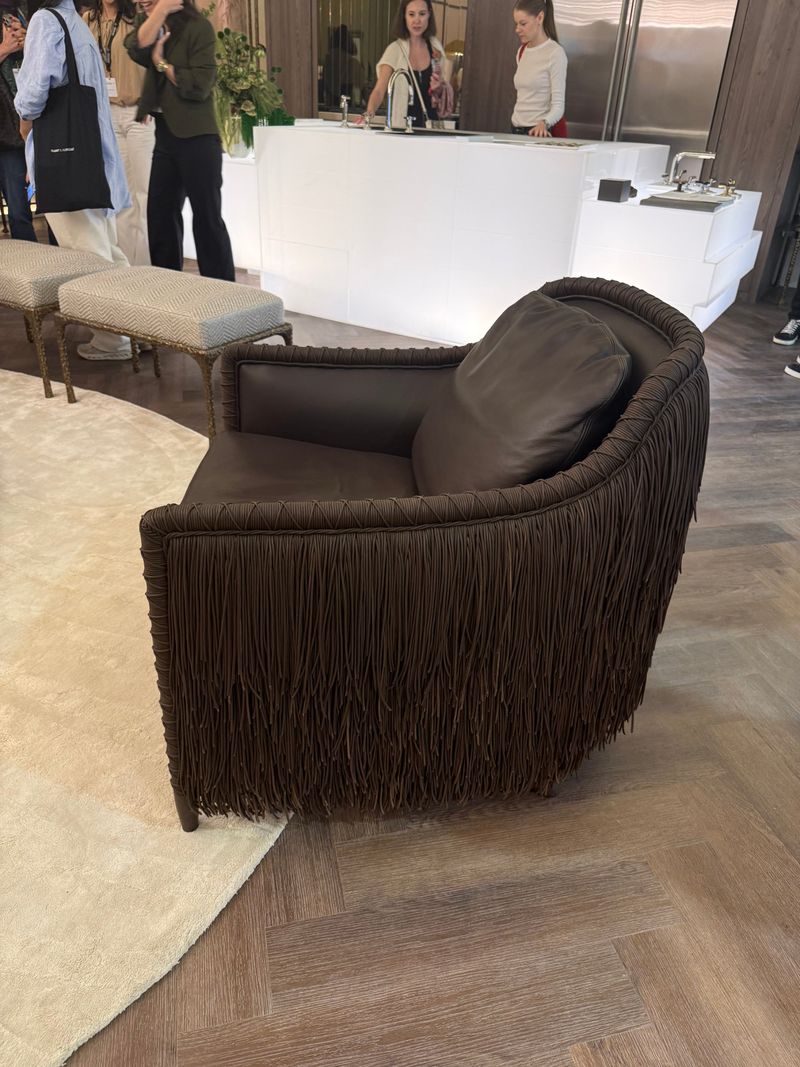
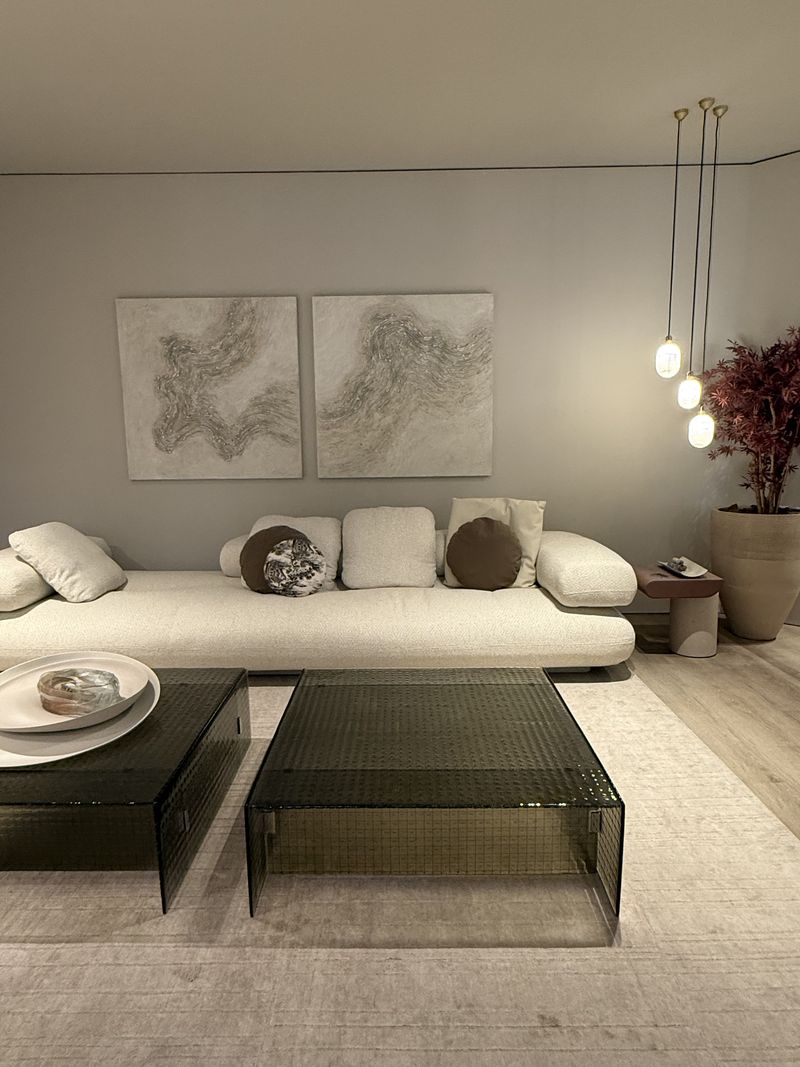
Soft, sculptural forms brought a greater sense of ease to contemporary seating. Curved sofas, rounded armchairs and generous proportions softened rigid outlines with flowing silhouettes.
Bouclé, woven fabrics and tactile upholstery in ivory, cream and warm beige reinforced the sense of comfort, while richer leathers and carefully worked details offered more expressive interpretations. Some pieces combined softly upholstered seats with exposed timber or darker structures, balancing organic shapes with a clearly defined framework.
The Orma modular sofa by Gallotti&Radice, introduced in 2026, illustrated this approach with a low, expansive silhouette and backrests that can be repositioned along the seat. The brand’s Choupette armchair, also a 2026 design, echoed this approach with its soft, rounded silhouette. Both pieces showed how contemporary seating can feel relaxed and inviting without losing its architectural character.
03
Material ContrastsThe Beauty of Opposites
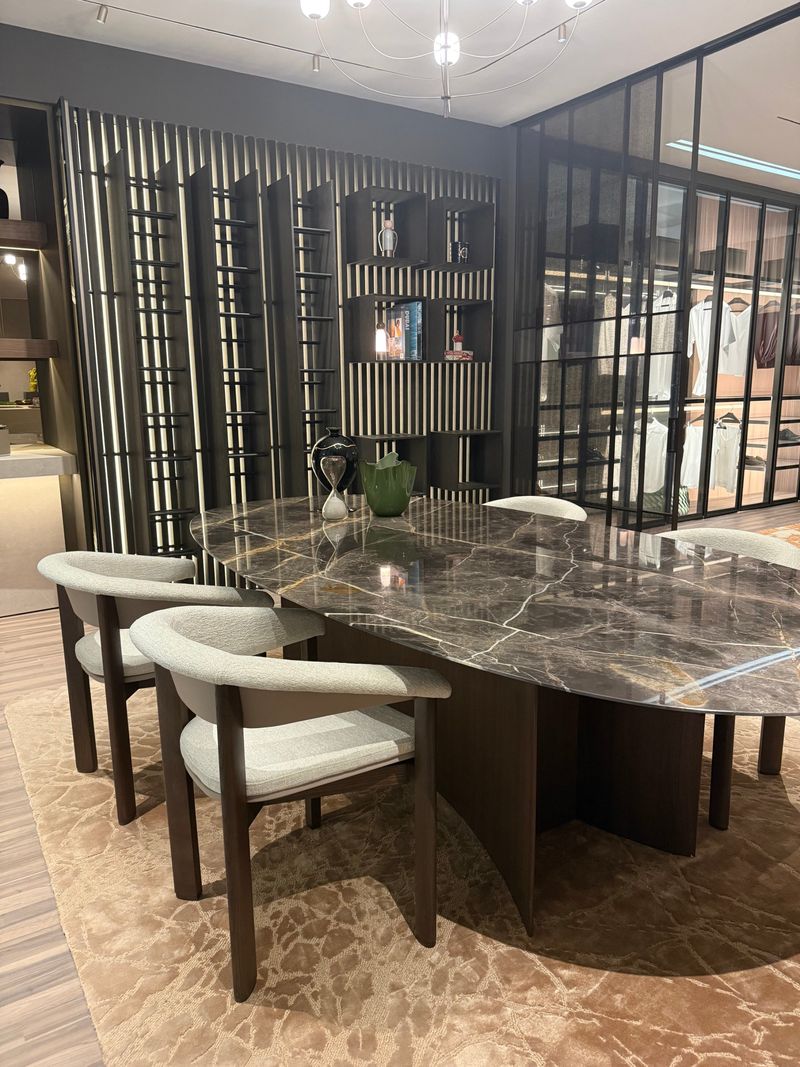
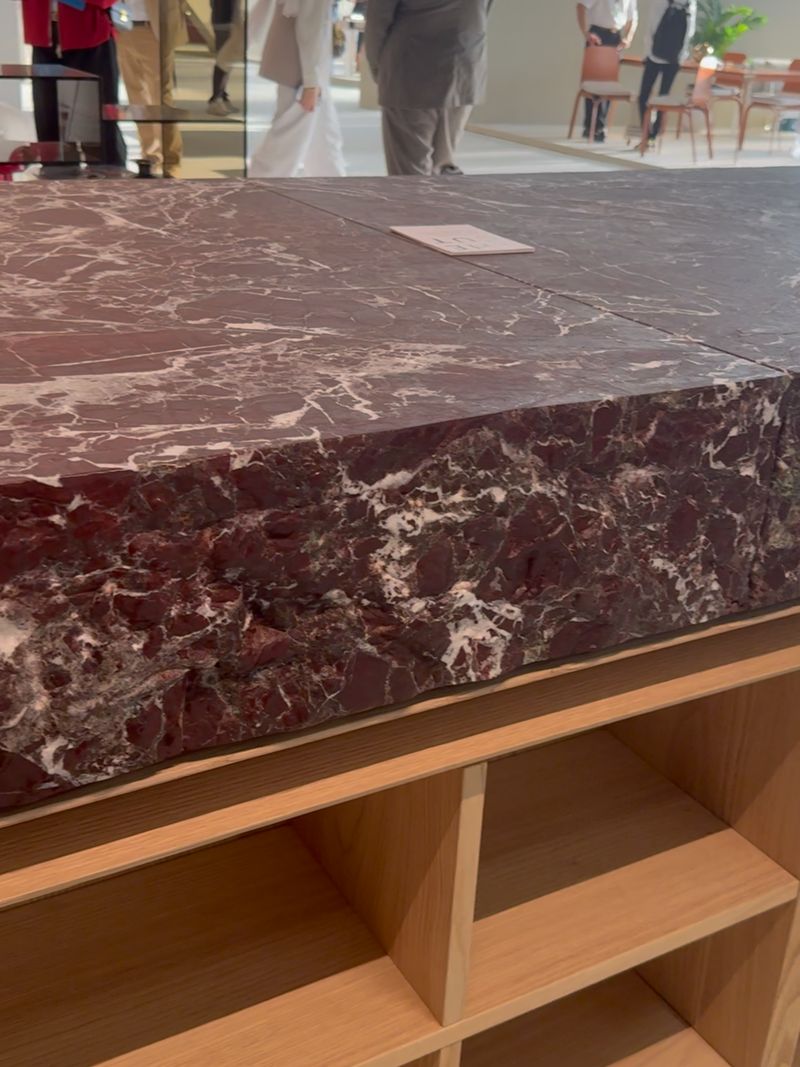
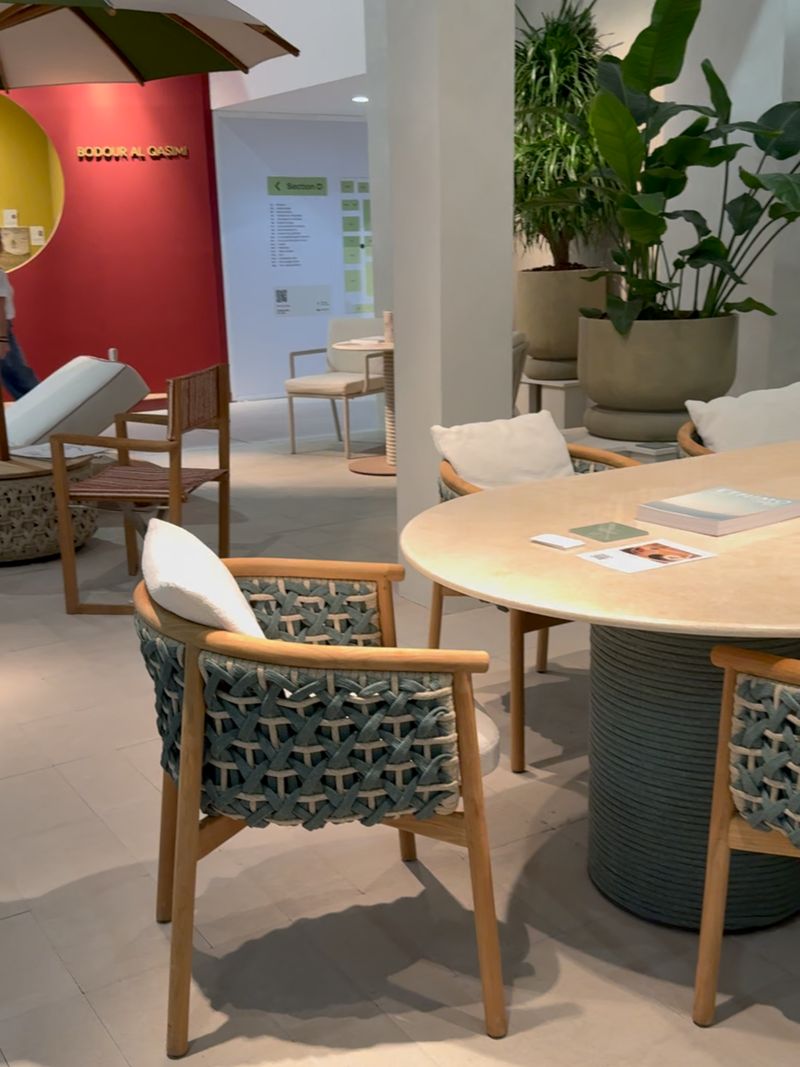
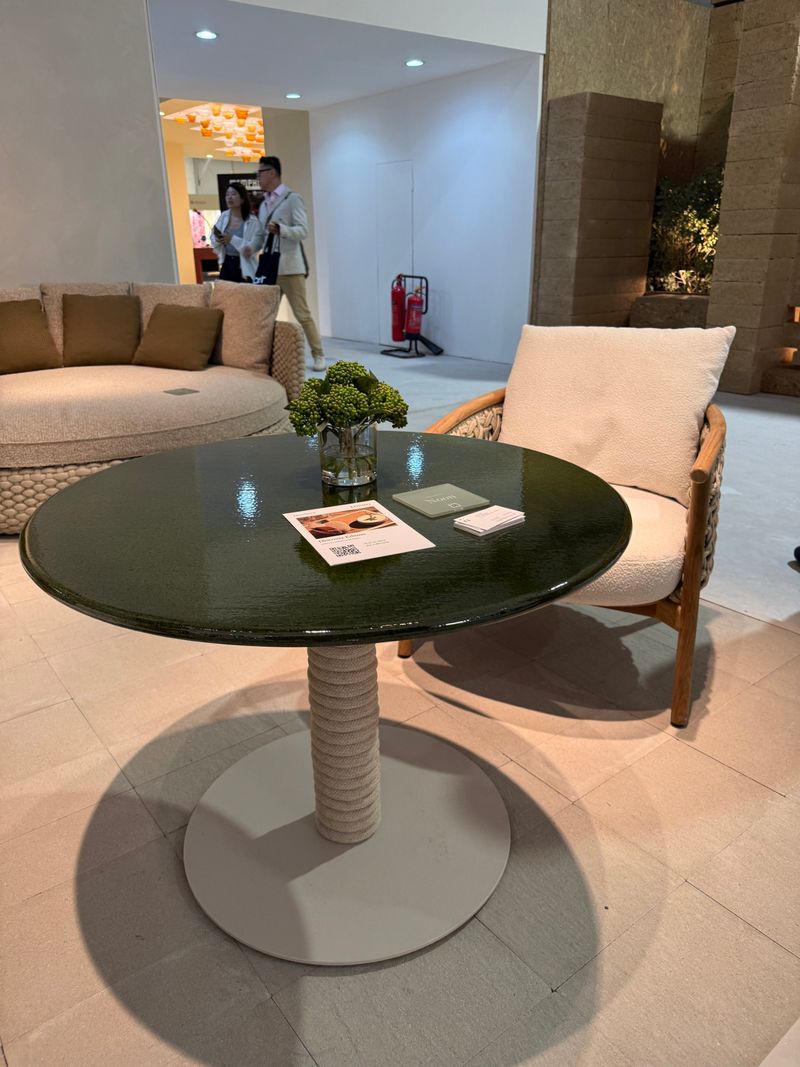
Contrasting materials brought depth and visual interest to contemporary furniture, with combinations that emphasised the individual character of each finish.
Polished marble appeared alongside warm timber, while brushed metals were paired with soft upholstery and textured surfaces. Dining tables combined substantial stone tops with sculptural wooden bases, while seating balanced exposed structures with inviting fabrics.
The interplay between smooth and textured, light and dark, solid and delicate gave these compositions definition without overwhelming the overall design.
04
Texture Takes Centre StageThe Tactile Experience
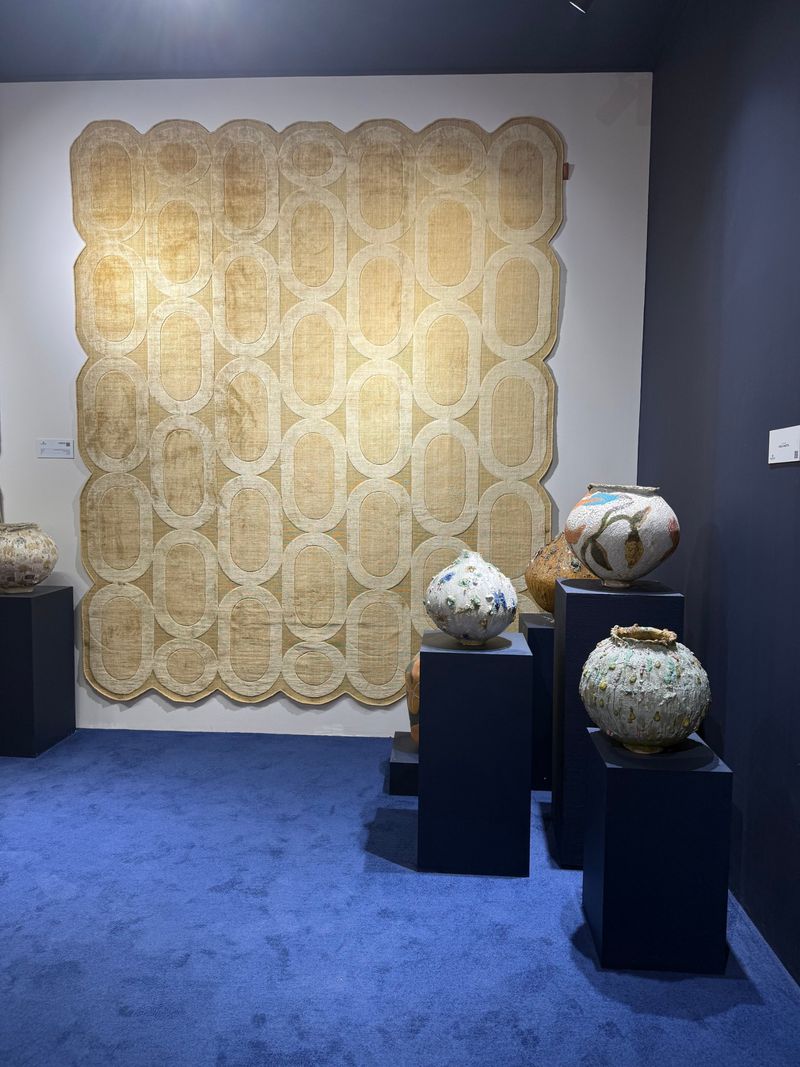
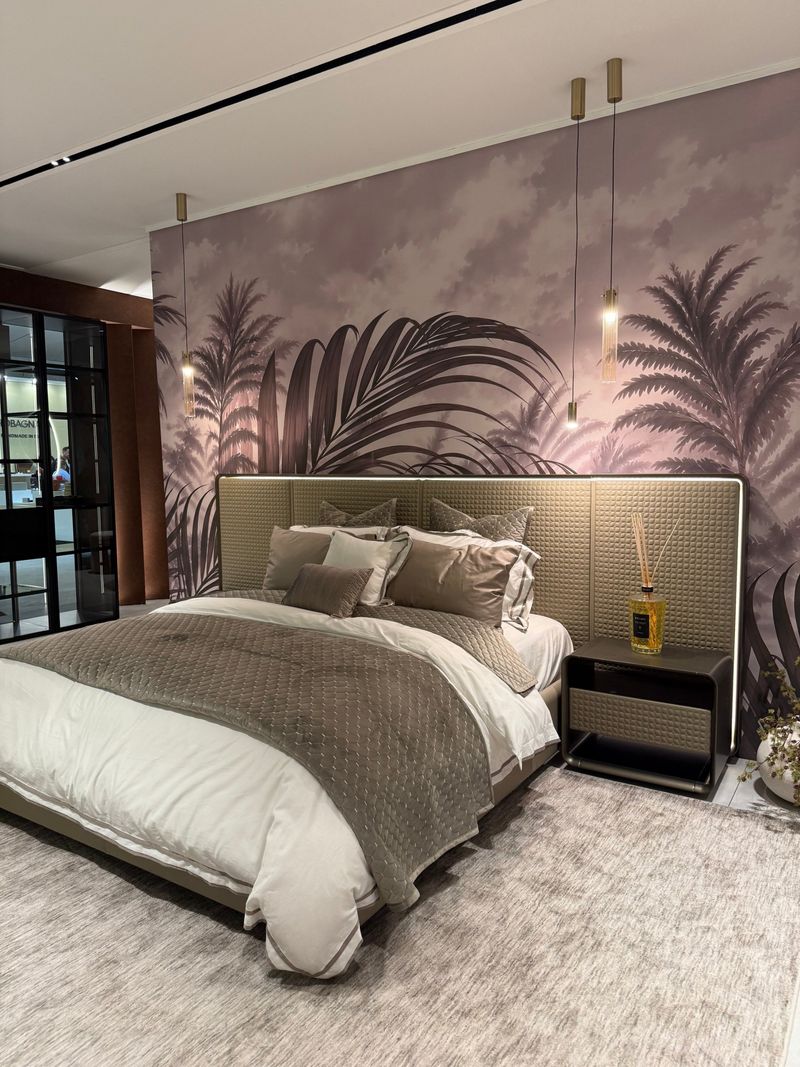
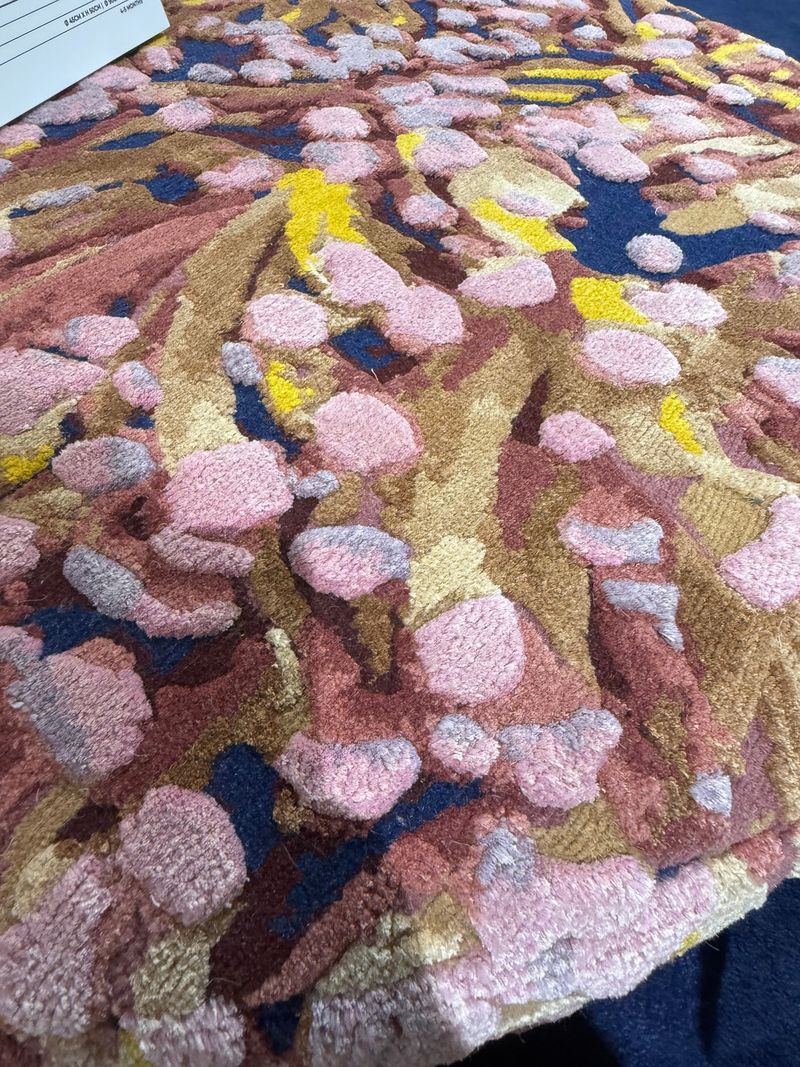
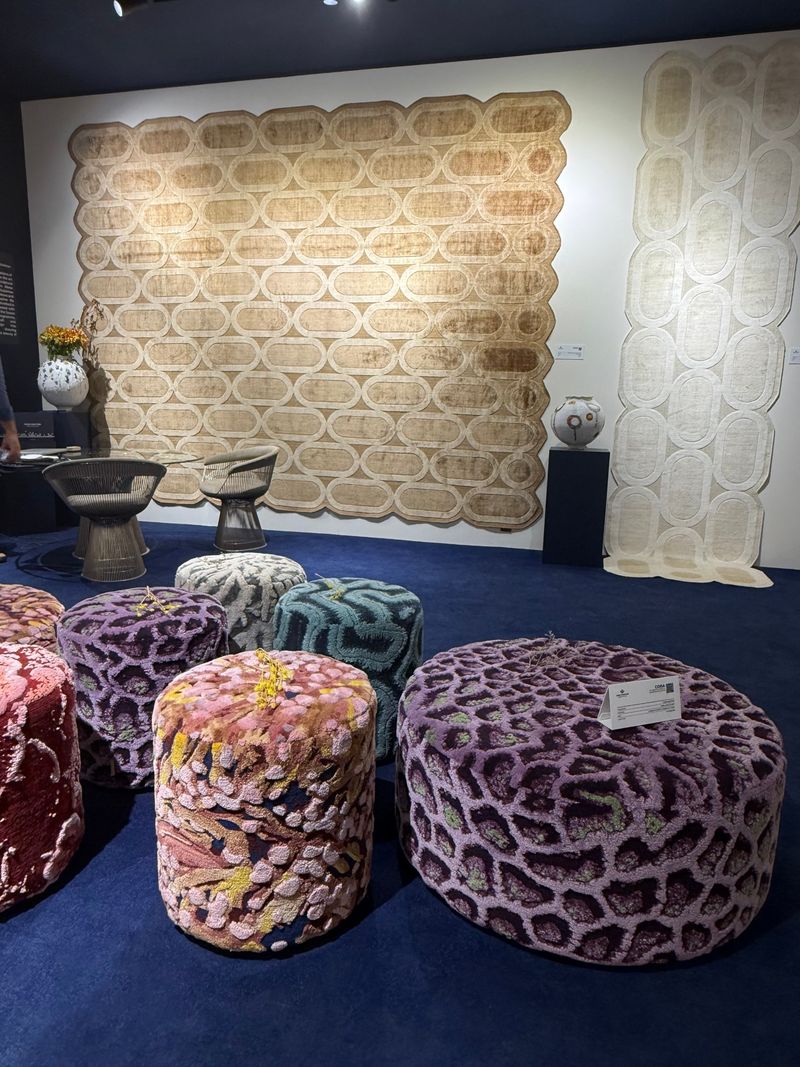
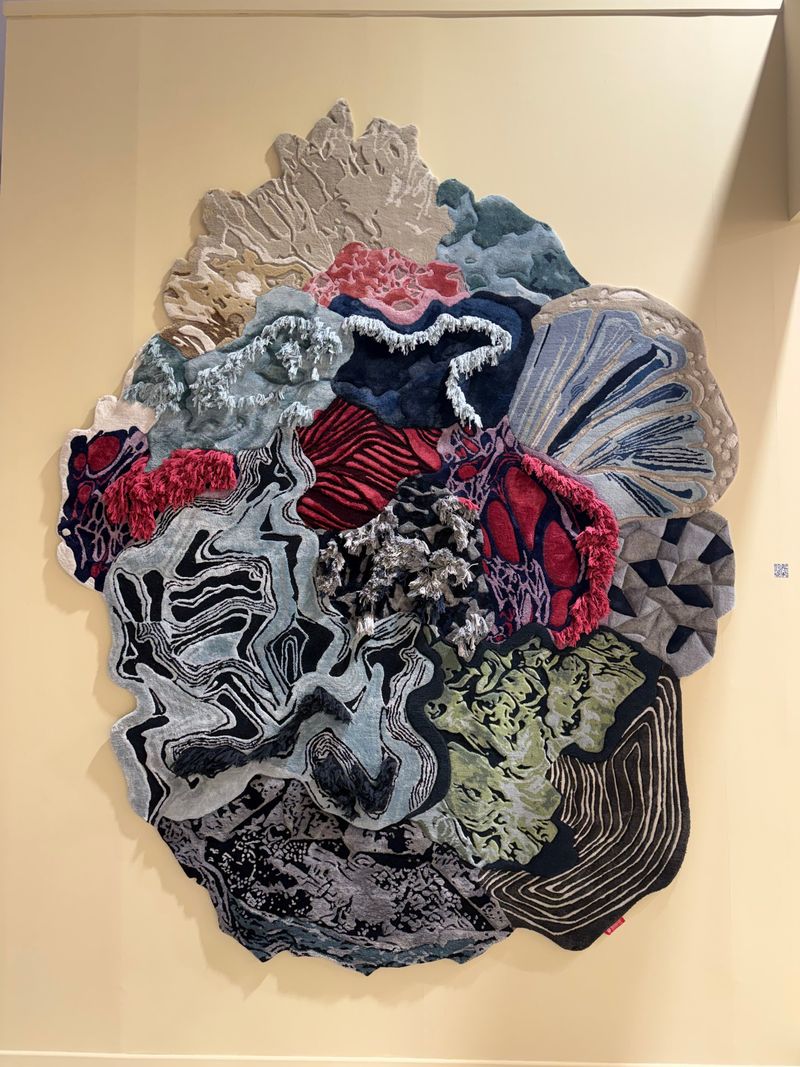
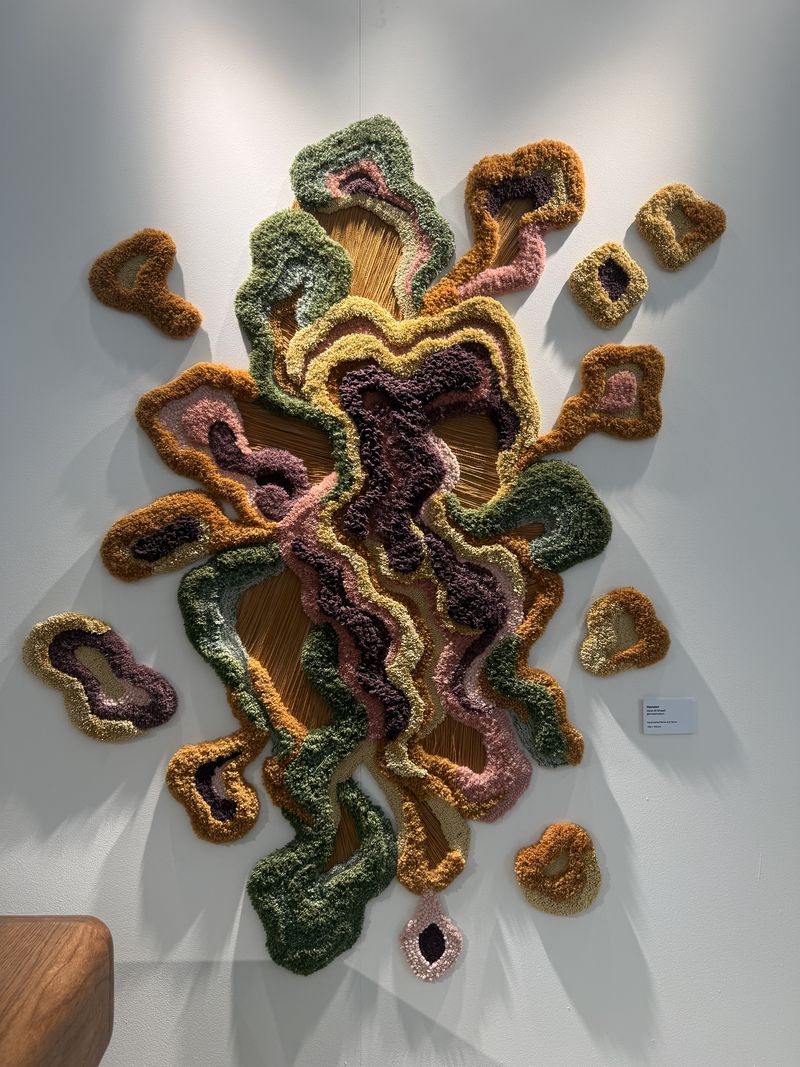
Richly woven fabrics, deep-pile rugs and sculptural upholstery gave texture a leading role in furniture and decorative objects. Raised patterns, irregular surfaces and layered textiles created an almost three-dimensional effect, while handcrafted finishes added depth and individuality.
The CORA Collection by Iwan Maktabi, developed with Saudi designers Abeer AlRabiah and Albandari Sulaiman and presented during Milan Design Week 2026, offered a particularly expressive interpretation. Inspired by the coral reefs of the Red Sea, it transformed handwoven carpet into sculptural seating, giving familiar textile techniques an unexpected sense of volume and movement.
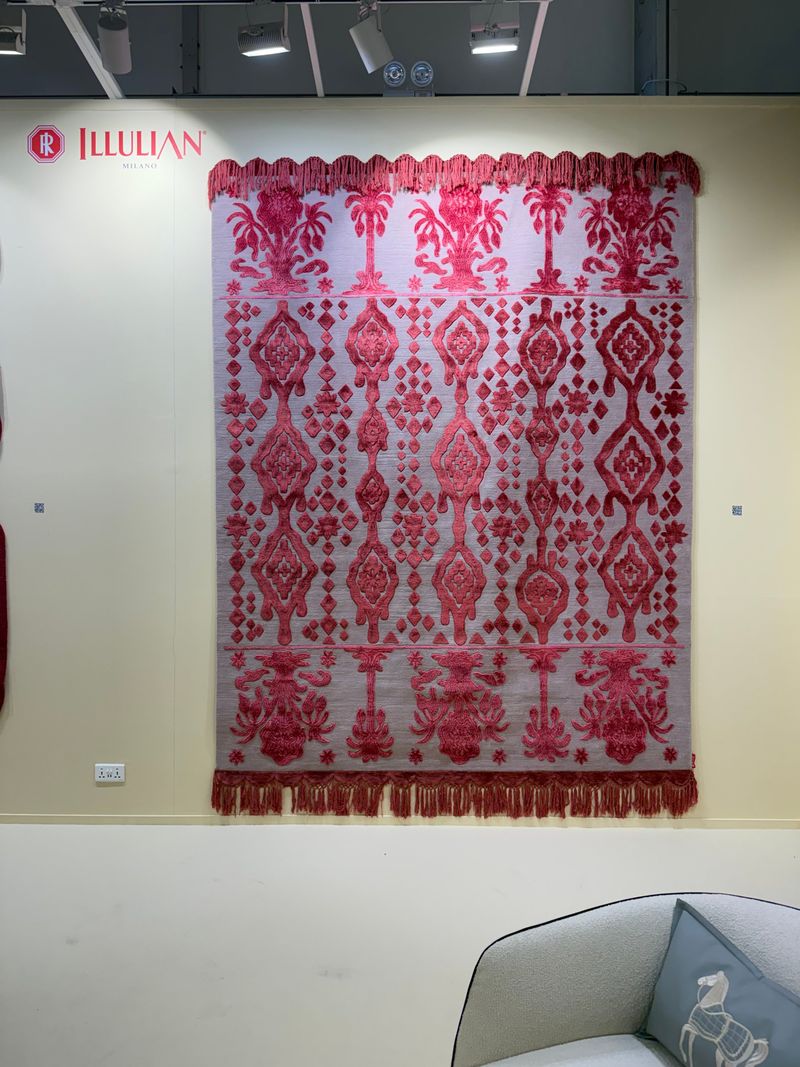
Illulian offered another interpretation of textile craftsmanship. The Naseej rug, designed by Shaikha Al-Sulaiti, reimagined the floral ornament and geometric motifs of traditional Qatari interiors, while Botanica by Controvento used irregular contours, changing pile heights and sculptural details to bring textiles closer to wall art.
Across these different interpretations, traditional textile techniques became the starting point for unexpected forms and surfaces.
05
Glass ReimaginedTransparency, Texture & Reflection
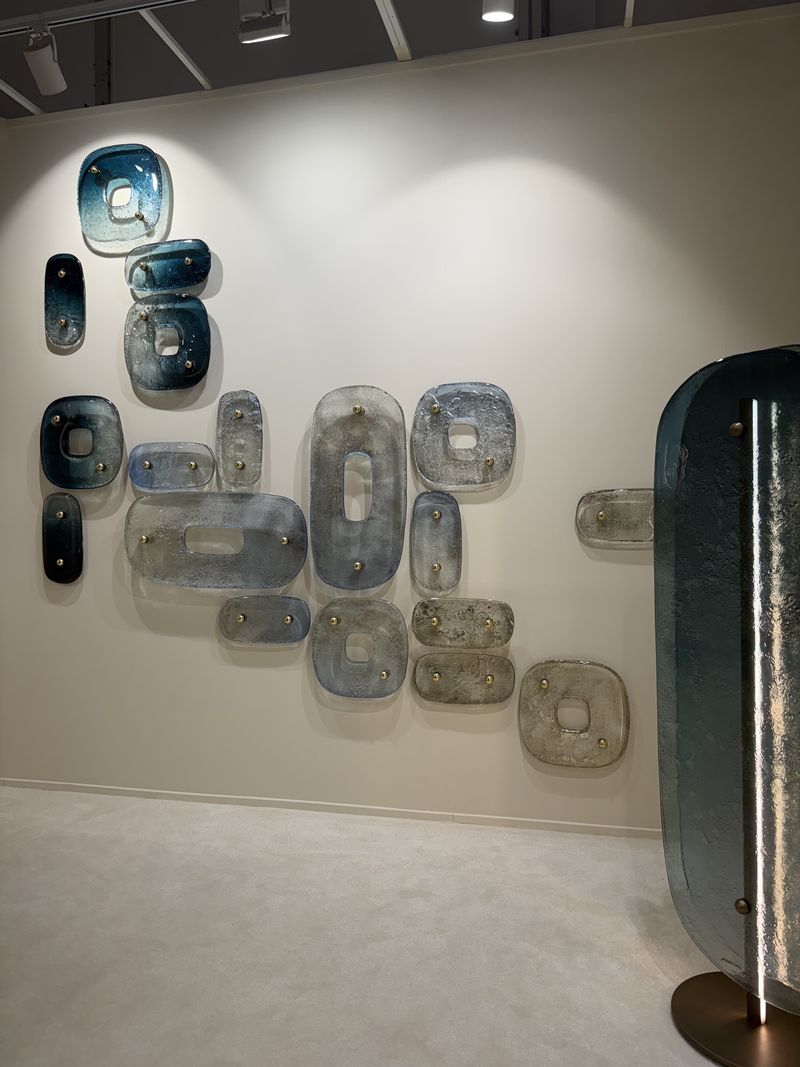
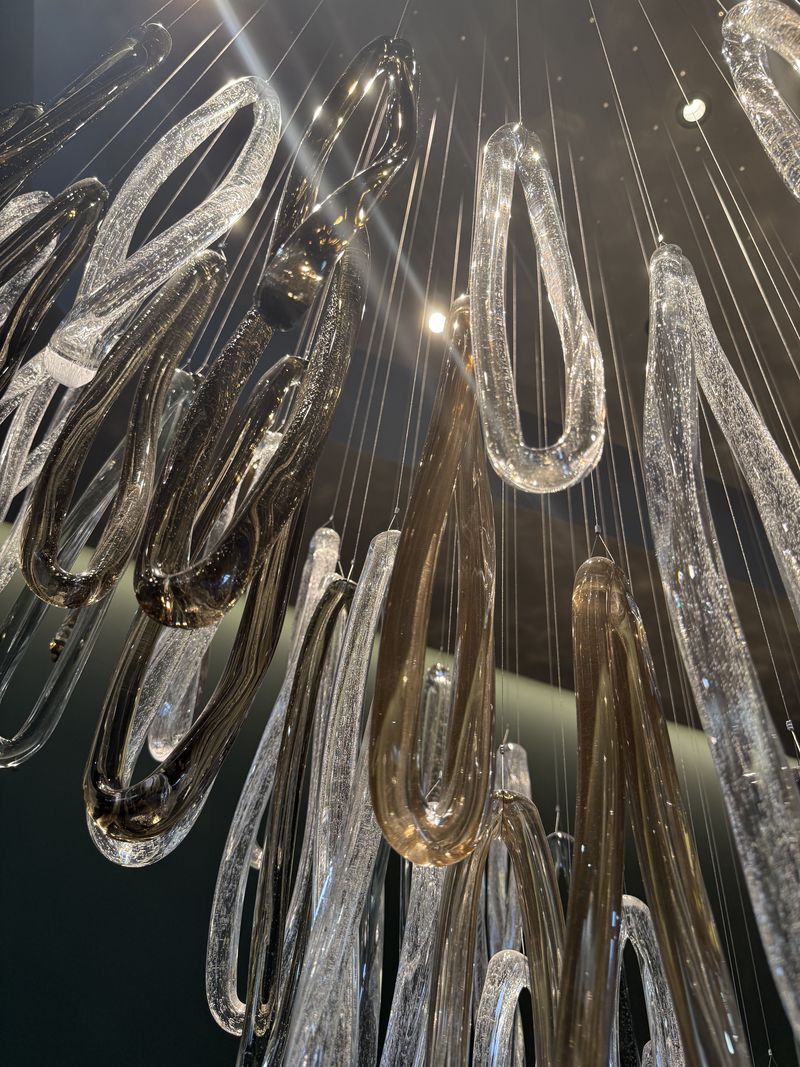
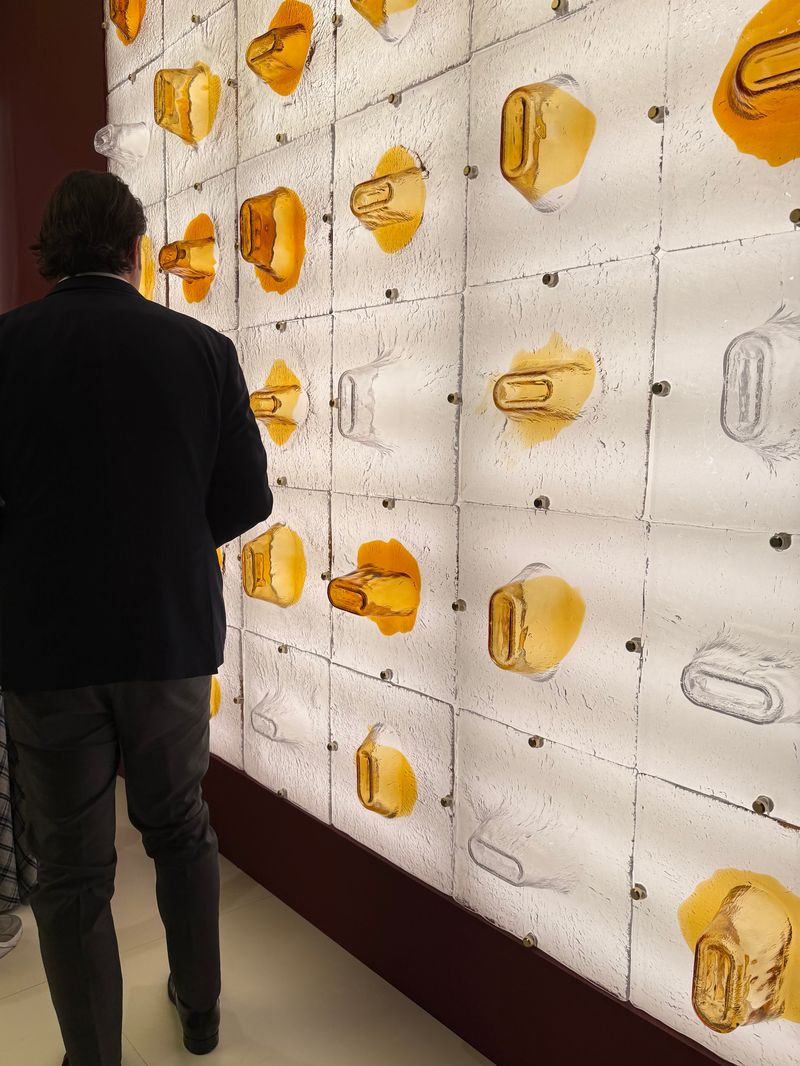
Glass emerged as a material for artistic expression, moving beyond traditional transparent surfaces to explore colour, texture and sculptural form.
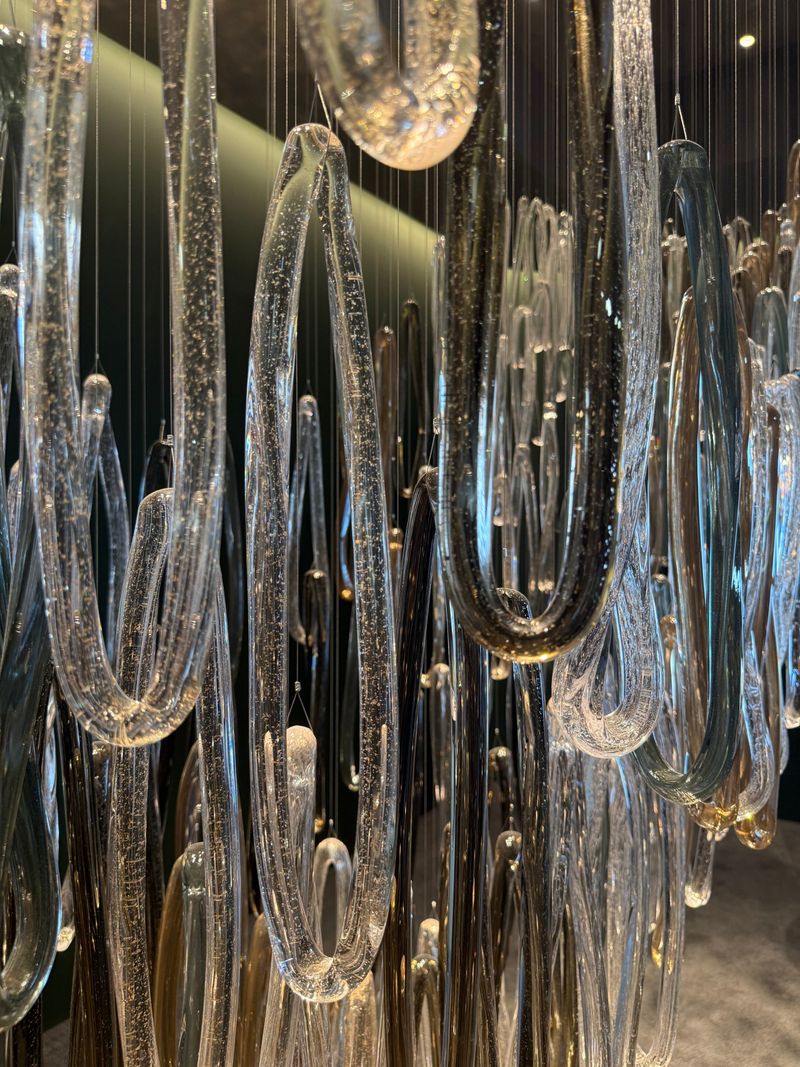
Smoked, tinted and textured glass appeared in decorative objects, wall installations and furniture details. Irregular surfaces, internal structures and layered finishes created depth, while subtle variations in blue, grey and amber transformed the way light passed through each piece.
The Ommi coffee tables by Gallotti&Radice, designed by Rania Hamed for the brand’s 2026 Tales in Glass presentation in Milan, explored the relationship between the precision of a grid and the fluid character of glass. At a larger scale, Venini’s Volcano installation, shown in both Milan and Dubai in 2026, demonstrated how illuminated glass can become an architectural feature.
These different approaches revealed the expressive possibilities of glass, from precisely structured furniture to immersive installations.
06
Lighting as ArtBeyond Illumination
Lighting became an engaging, multisensory experience, where movement, sound and illumination worked together to shape the atmosphere. A Sky of Stories by Preciosa Lighting brought this approach to life through a captivating interplay of handcrafted Bohemian crystal, music and synchronised light.
Created by Preciosa’s creative directors Michael Vasku and Andreas Klug, the installation invited visitors to recline beneath a canopy of 200 suspended crystal elements. Individual pieces featured different sizes, decorative cuts, internal bubbles and silvered finishes. As music played, changing sequences of light followed its rhythm, bringing the crystal canopy to life through shifting reflections and patterns.
The result was an experience in which light responded to music, drawing visitors into the installation rather than leaving them simply to observe it. Traditional crystal craftsmanship and contemporary technology came together to create an atmosphere shaped as much by sound and movement as by light itself.
07
The Return of ColourExpressive Accents
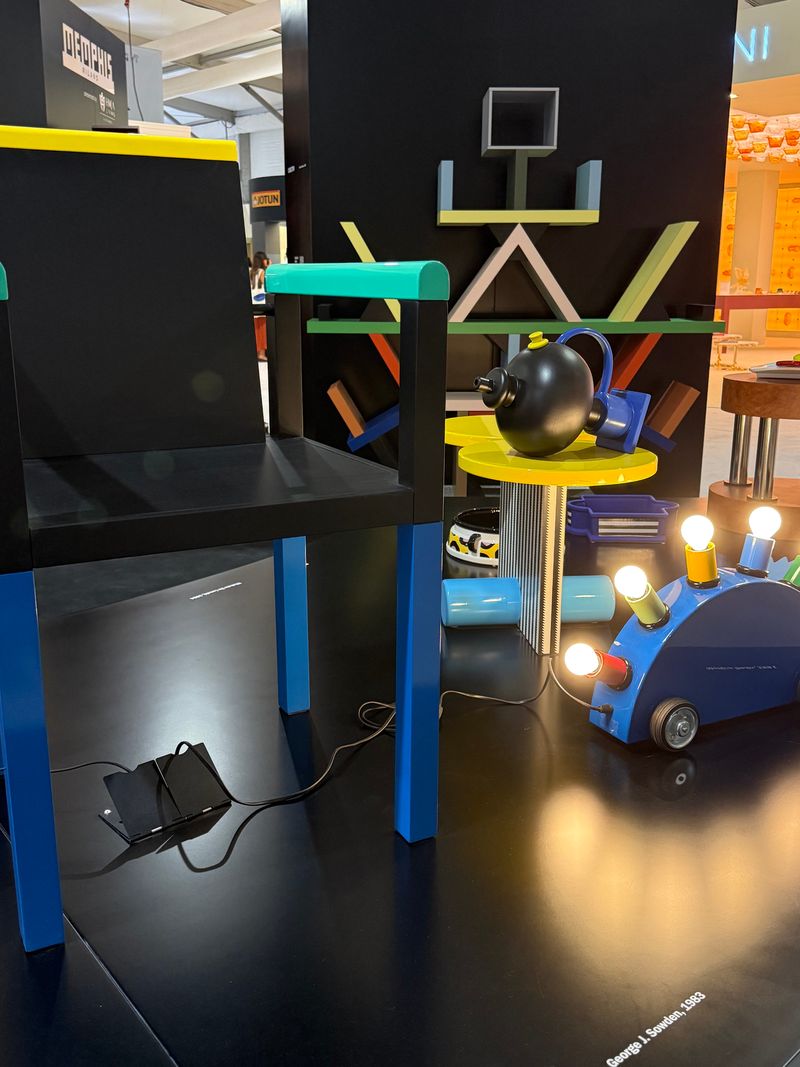
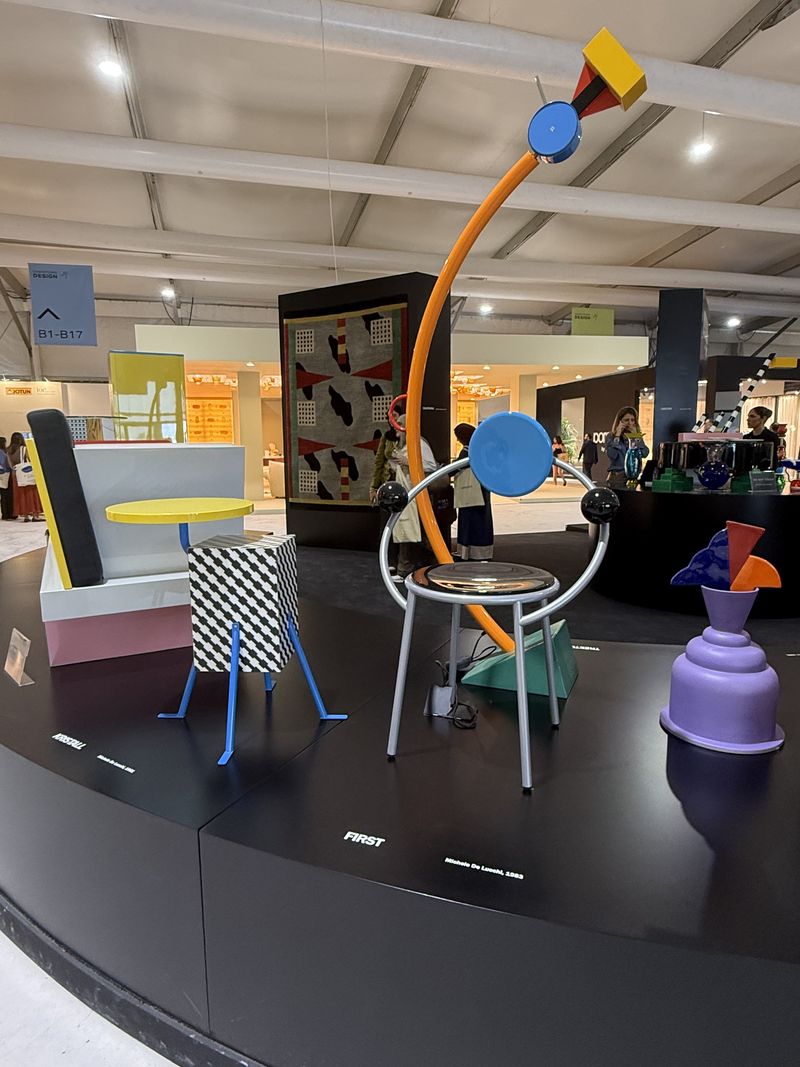
Bold colour offered a vivid counterpoint to the warm neutral palettes seen throughout the fair.
A dedicated Memphis Milano showcase celebrated the playful spirit of 1980s design. Its iconic geometric forms, graphic patterns and unconventional colour combinations offered a deliberately expressive alternative to more restrained interiors.
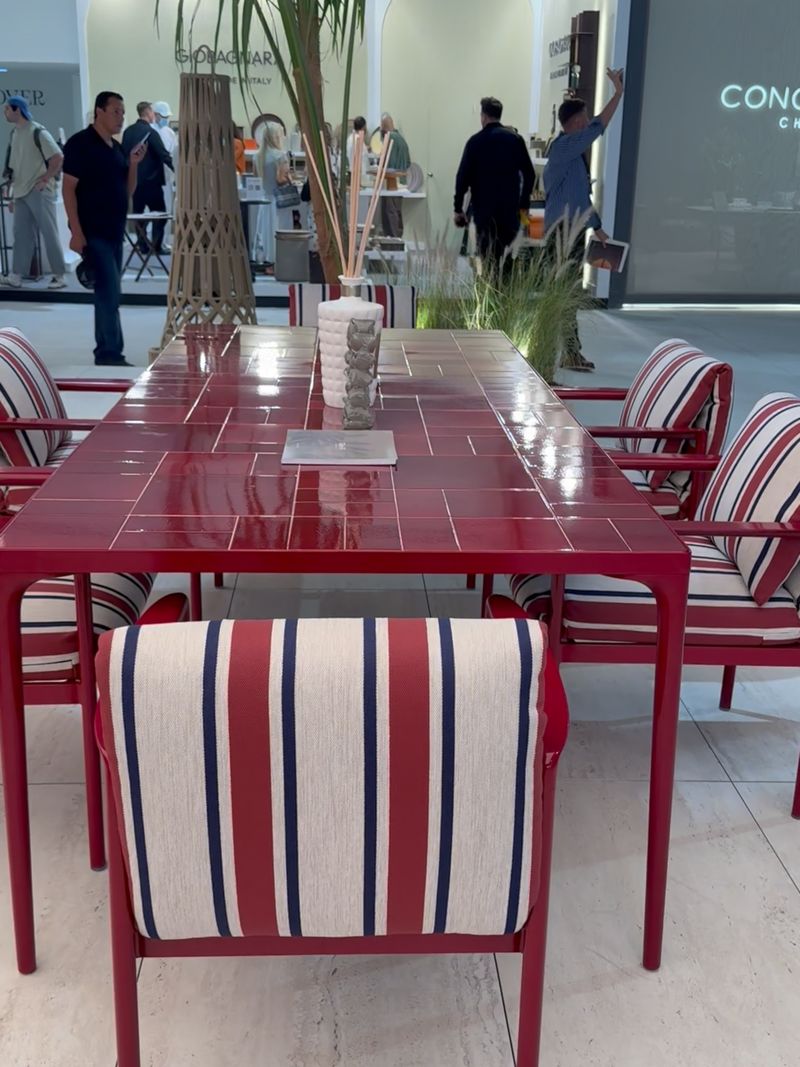
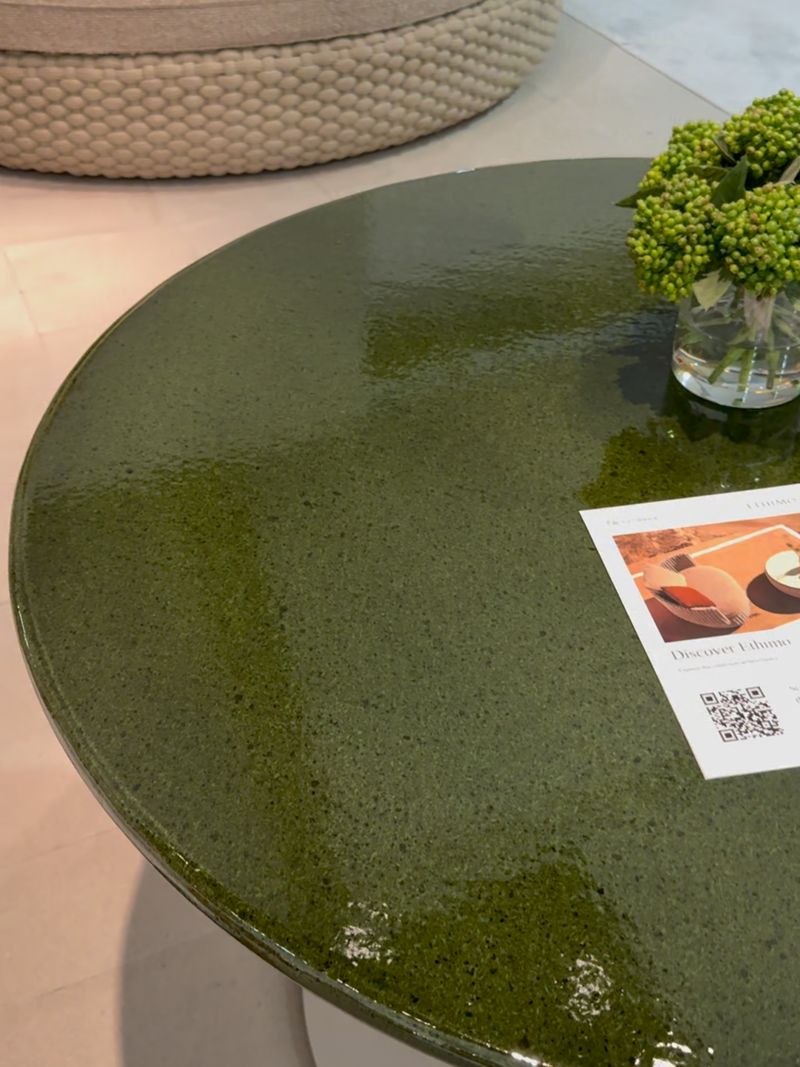
Elsewhere, vibrant reds, rich greens and saturated tones appeared across contemporary furniture, textiles and decorative objects. From striking sculptural pieces to carefully chosen accents, colour introduced energy and personality into modern spaces.
08
Inherited FuturesLocal Design, New Perspectives
The UAE Designer Exhibition, titled Inherited Futures, brought together 30 UAE-based creatives exploring the relationship between cultural heritage and contemporary design.
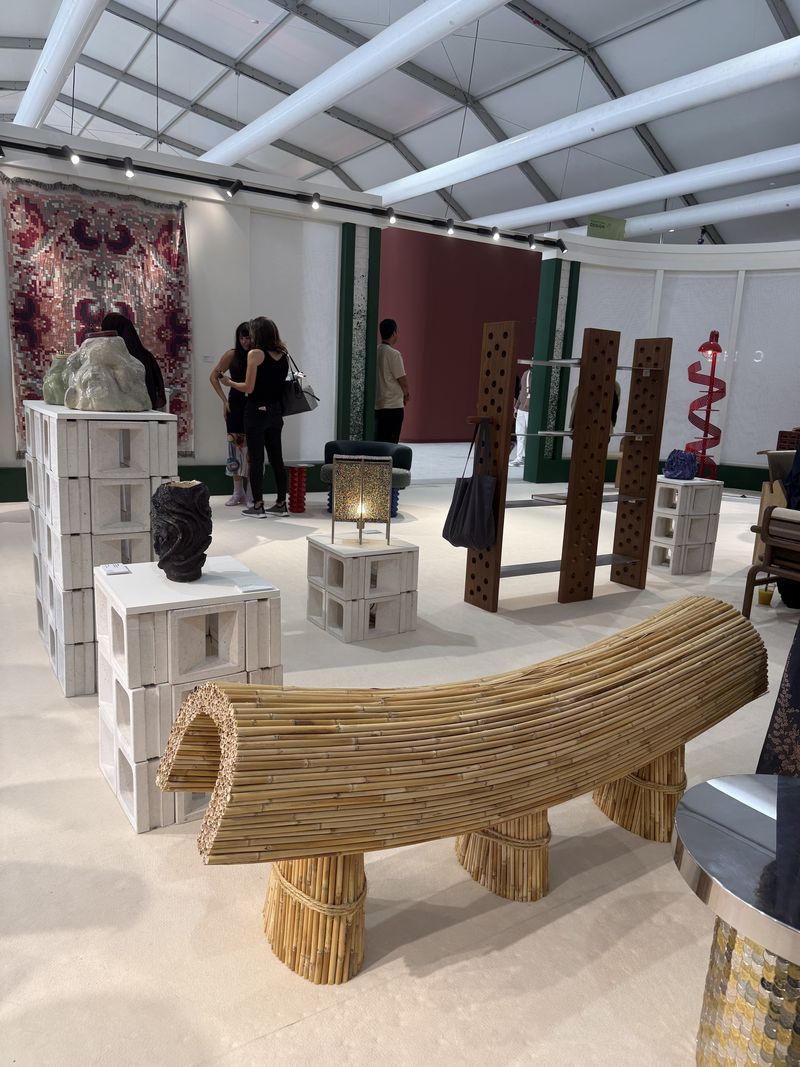
Furniture, lighting, textiles and experimental objects reflected new approaches to traditional materials, craftsmanship and regional identity. From reinterpretations of Arabic calligraphy to innovative uses of natural and reclaimed materials, the exhibition highlighted the growing diversity of the UAE’s creative scene.
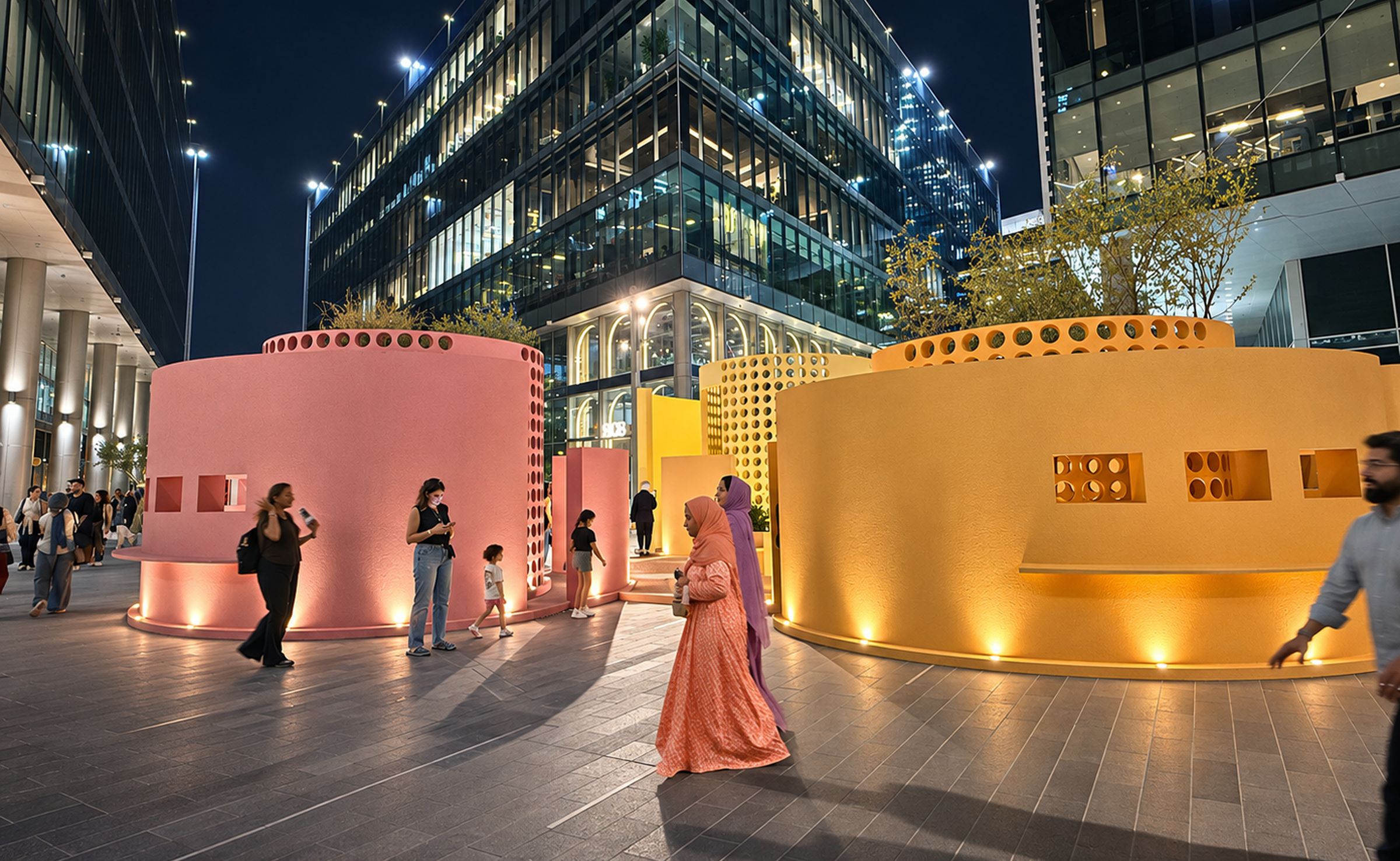
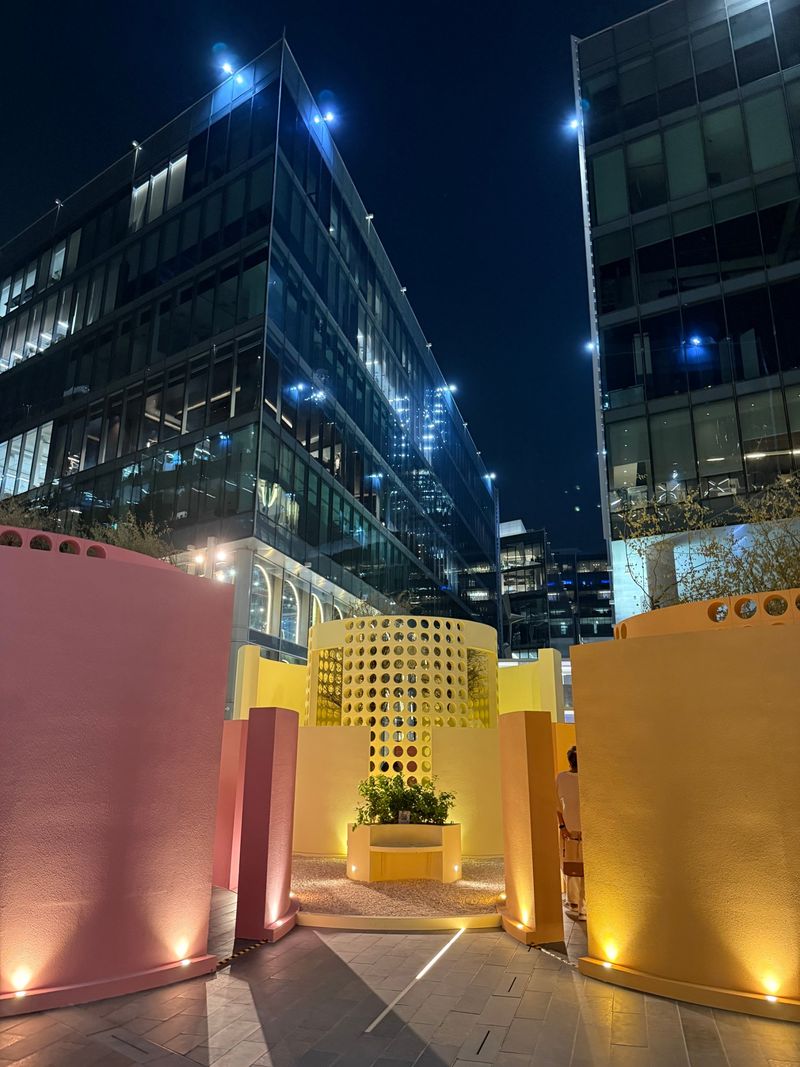
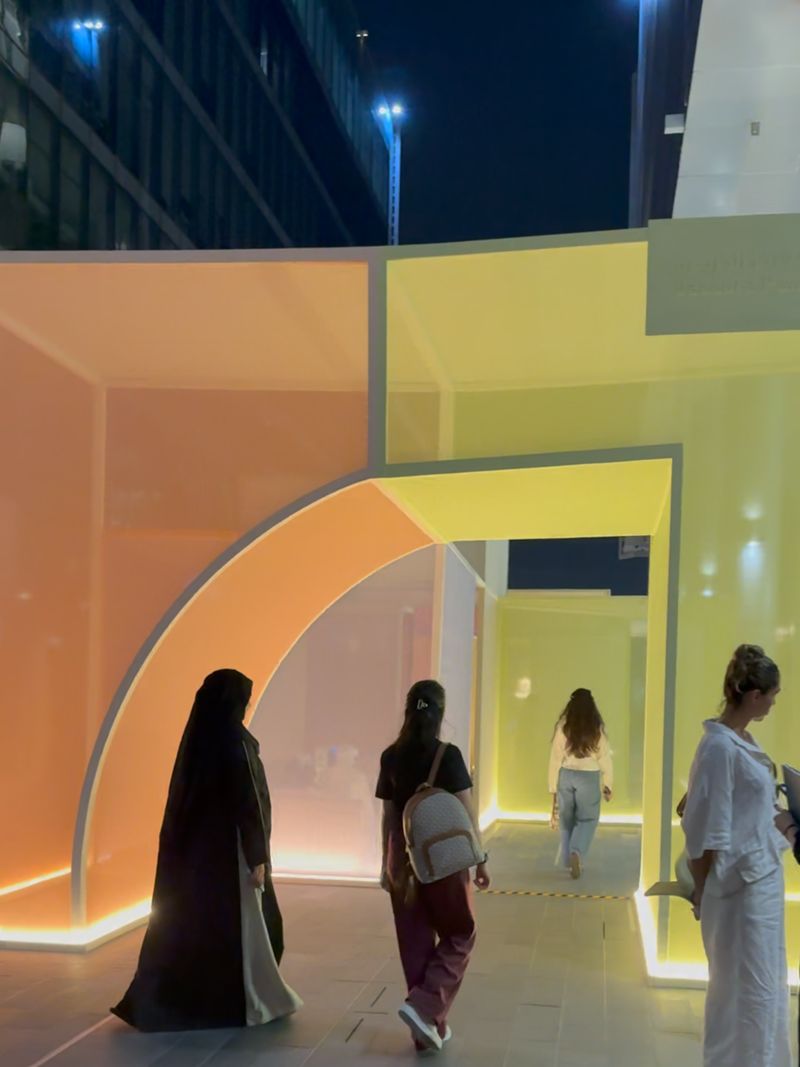
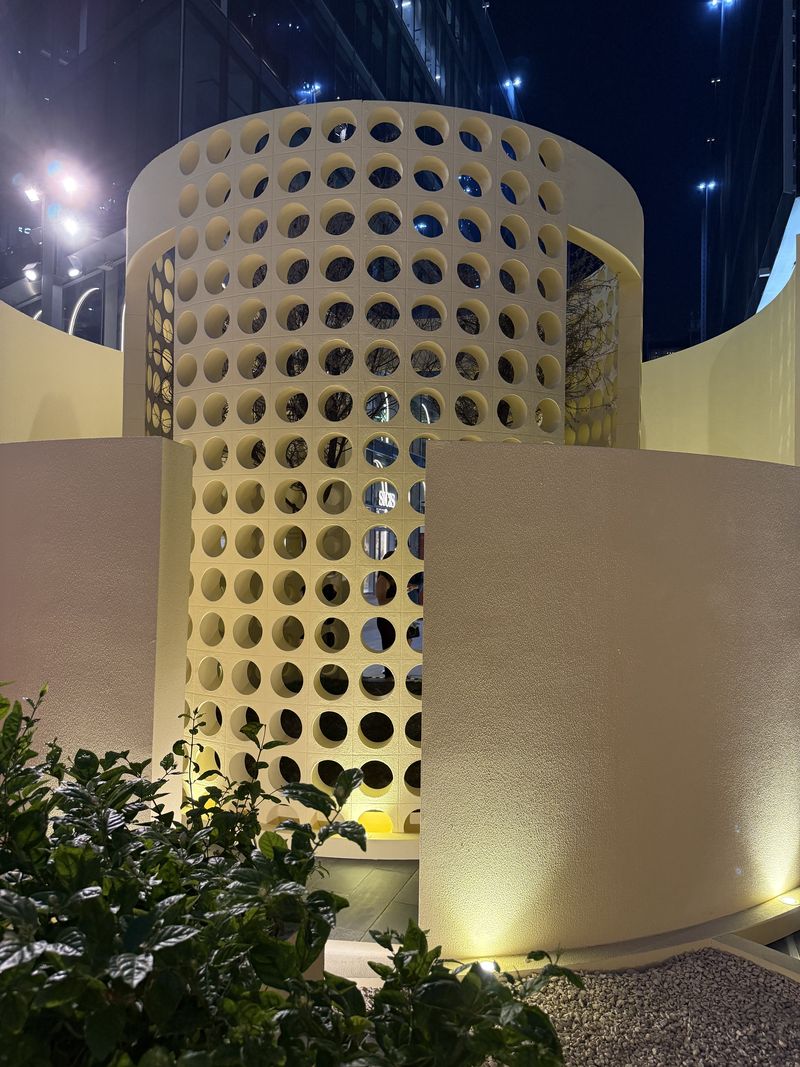
This exploration extended beyond the exhibition halls into Dubai Design District. The outdoor installation Three Gardens and a Room used curved walls, planting, colour and filtered light to create intimate spaces for gathering. Colour Collective drew inspiration from the traditional arish majlis, using translucent fabrics, colour and light to create interconnected spaces. Both installations explored how contemporary architecture can encourage interaction and shape the experience of public space.
Special Highlight
Craftsmanship Meets Storytelling
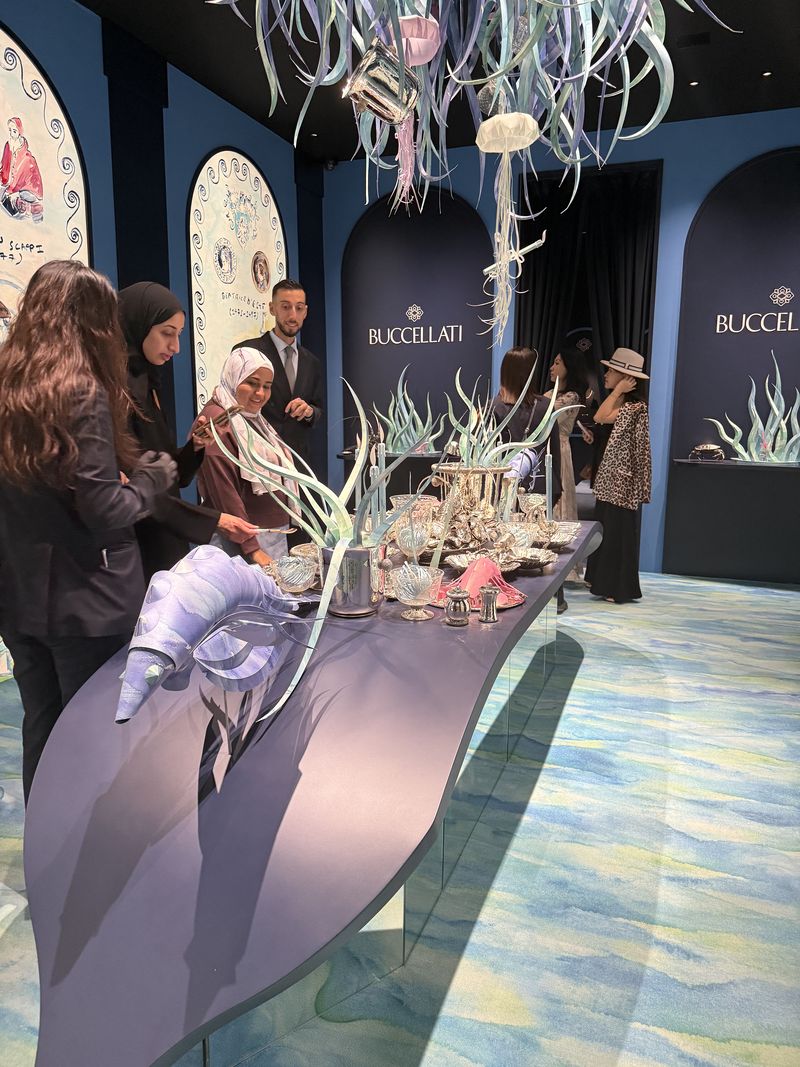
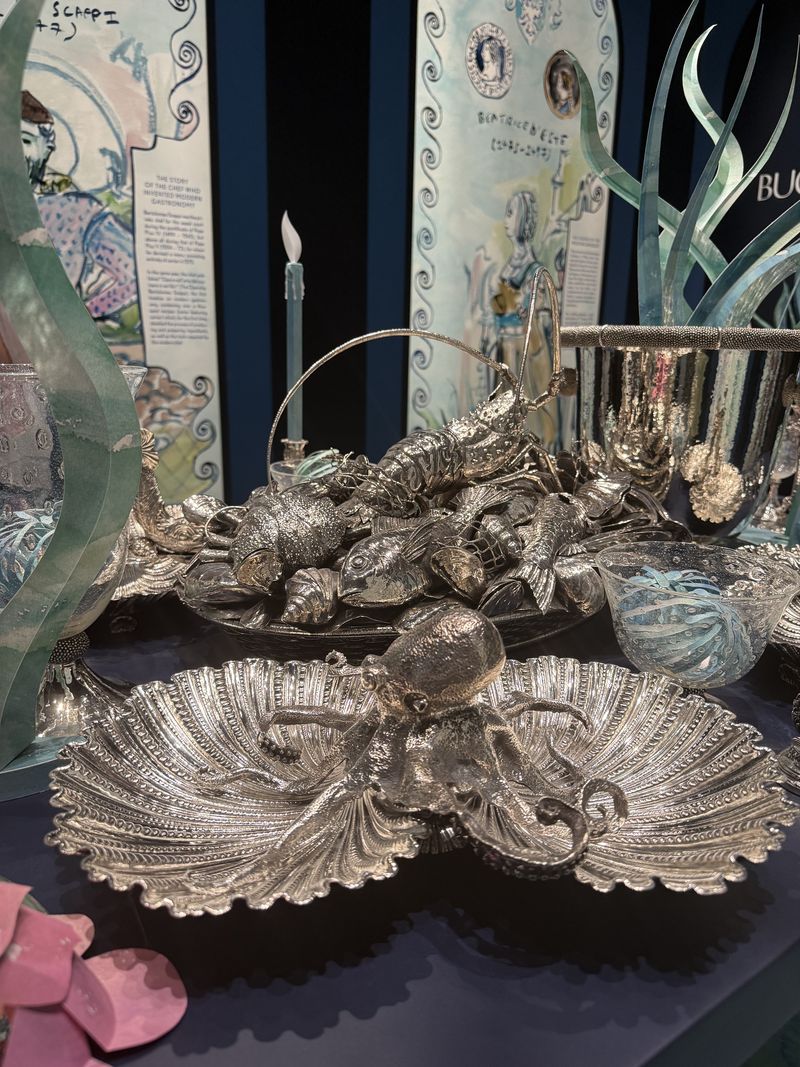
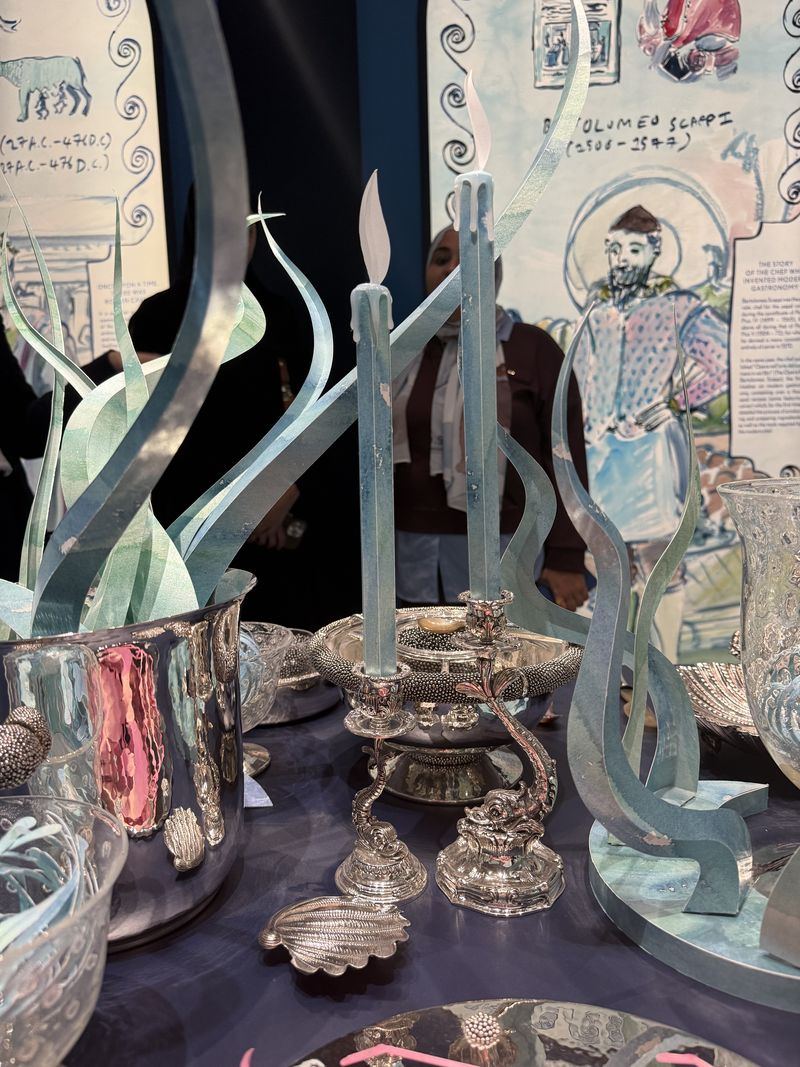
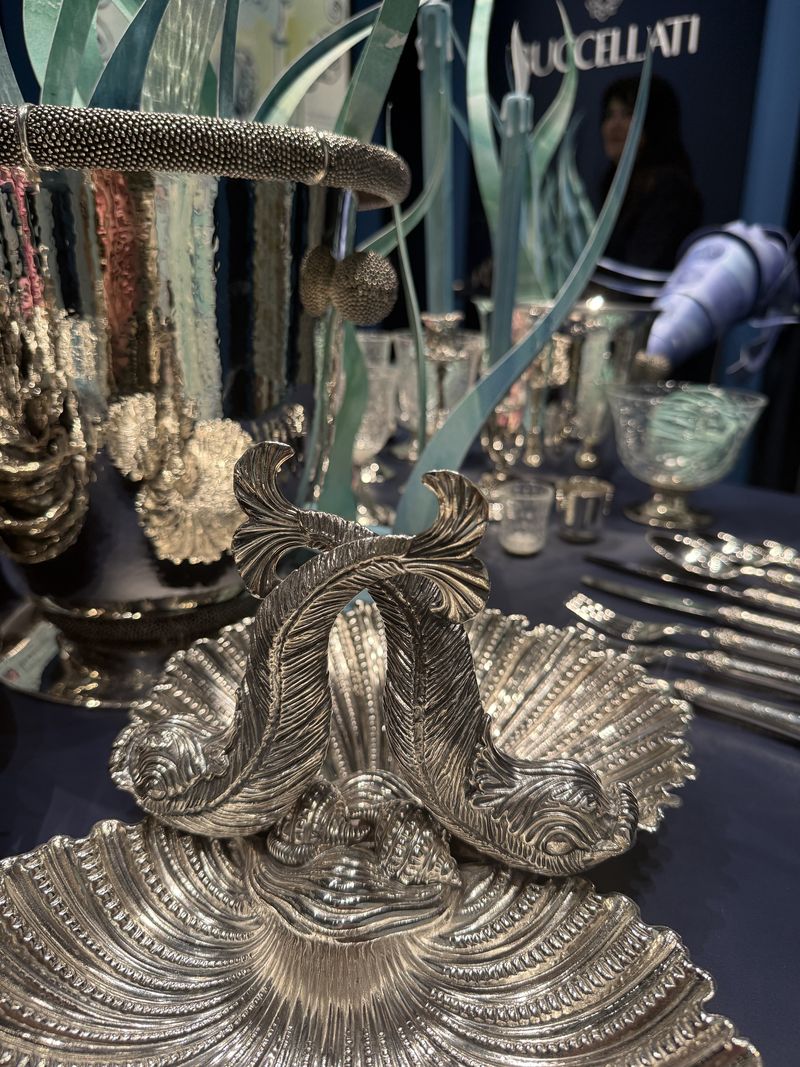
Buccellati’s Aquae Mirabiles brought traditional silver craftsmanship into an immersive, marine-inspired setting.
First presented during Milan Design Week 2026 and reimagined for Dubai, the exhibition transformed a traditional silver table setting into an imagined underwater world. Intricately detailed silverware was surrounded by marine-inspired sculptures, illustrated panels and flowing organic forms.
Rather than displaying silverware as isolated objects, the installation incorporated it into a complete visual narrative, where craftsmanship and storytelling became inseparable.
About the Fair
About Downtown Design Dubai
Established in 2013, Downtown Design is an annual fair held in Dubai each autumn as part of Dubai Design Week. It brings together international brands and regional designers, presenting furniture, lighting, textiles, kitchens, bathrooms and decorative objects alongside installations and industry talks. The 2026 edition took place from 4 to 8 November at Dubai Design District (d3).
Newsletter
More from Vincetti Casa
Enjoyed this design edit? Subscribe to our newsletter for more insights, discoveries and inspiration from the UAE and international design scene.
We’ll only send occasional design reports. Unsubscribe any time.